
Projects & Results
A selection of projects showing how I've helped businesses improve growth through better strategy, customer insight, ecommerce and digital performance.
Jump to a project
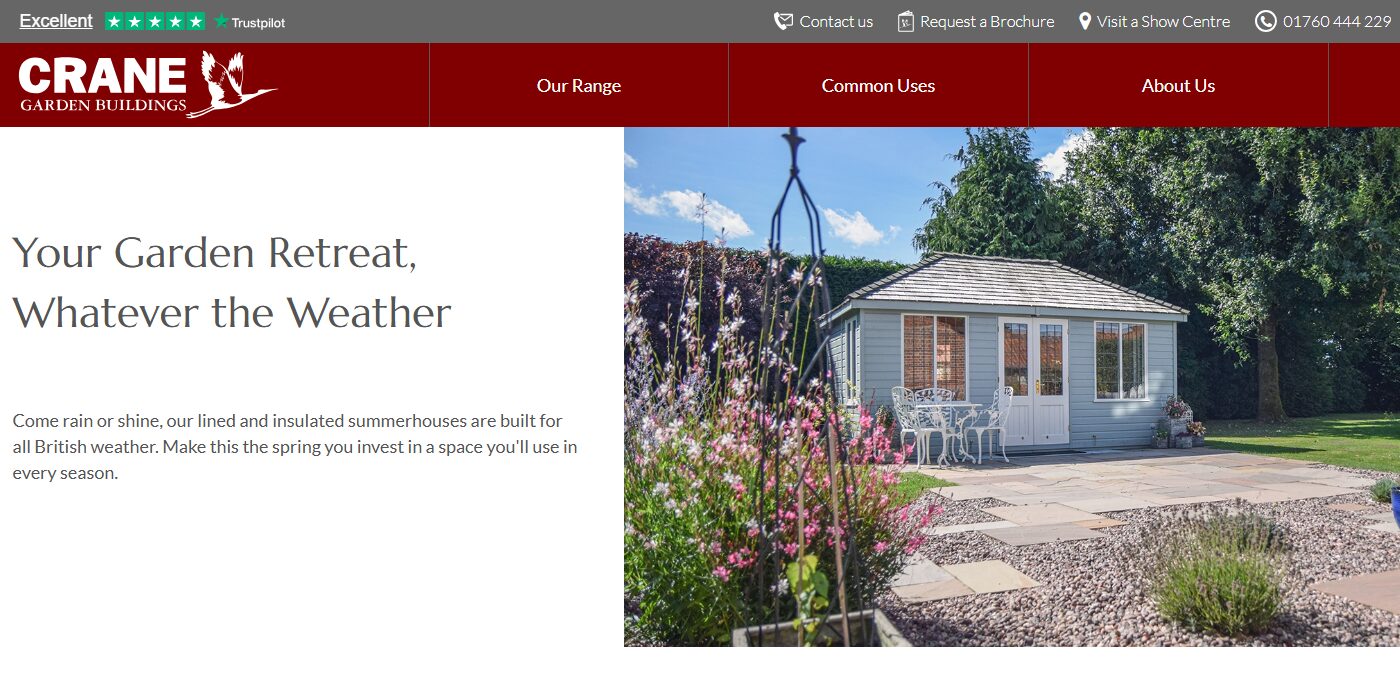
Crane Garden Buildings
Marketing function build
Keswick Flooring
Ecommerce transformation
Anglian Home Improvements
SEO/CRO Strategy and UX redesign
Building a performance-led marketing function for a premium garden buildings brand
Crane Garden Buildings
Summary: Built clearer marketing foundations for a premium garden buildings brand operating across a lead generation website and 13 UK showrooms.
Focus areas: marketing strategy, measurement, paid media, customer insight, campaign planning and team capability.
Results included: three-year strategy presented to the board, Google Ads CPL reduced from £130+ to £50–60, improved tracking across GA4/GTM and a 5% uplift in quote pipeline following January Sale activity.
Situation
Crane Garden Buildings is a premium garden buildings business operating in a high-value, considered purchase market. Customers often research online before converting through showrooms, which means marketing performance cannot be understood through website data alone.
I joined as the business’s first Head of Marketing, reporting to the CEO as part of the Senior Management Team. My initial brief was to understand the business, strengthen marketing foundations and develop a longer-term strategy to support future growth.
The original ambition was a five-year strategy, but it quickly became clear that the business needed stronger foundations first. I developed and presented a three-year strategy to the founders, CEO and Finance Director, with a refined version produced following board feedback.
What I found
The business had a strong brand, a premium product and significant commercial opportunity, but marketing was operating with limited visibility of what was really driving performance.
The customer journey was complex. The website, price configurator, brochures, phone calls and 13 UK showrooms all played a role, but reporting did not clearly connect those touchpoints to enquiries, quotes and sales.
There was plenty of data, but it sat across different systems and was often interpreted through long-standing assumptions. The business needed a clearer view of which channels, products, campaigns and journeys were creating commercial value.
There were also operational challenges within the marketing function. The team was relatively junior, processes were inconsistent and stakeholders needed more reliable support around campaigns, showroom collateral and sales enablement.
My approach
I started by understanding how the business worked from the inside out.
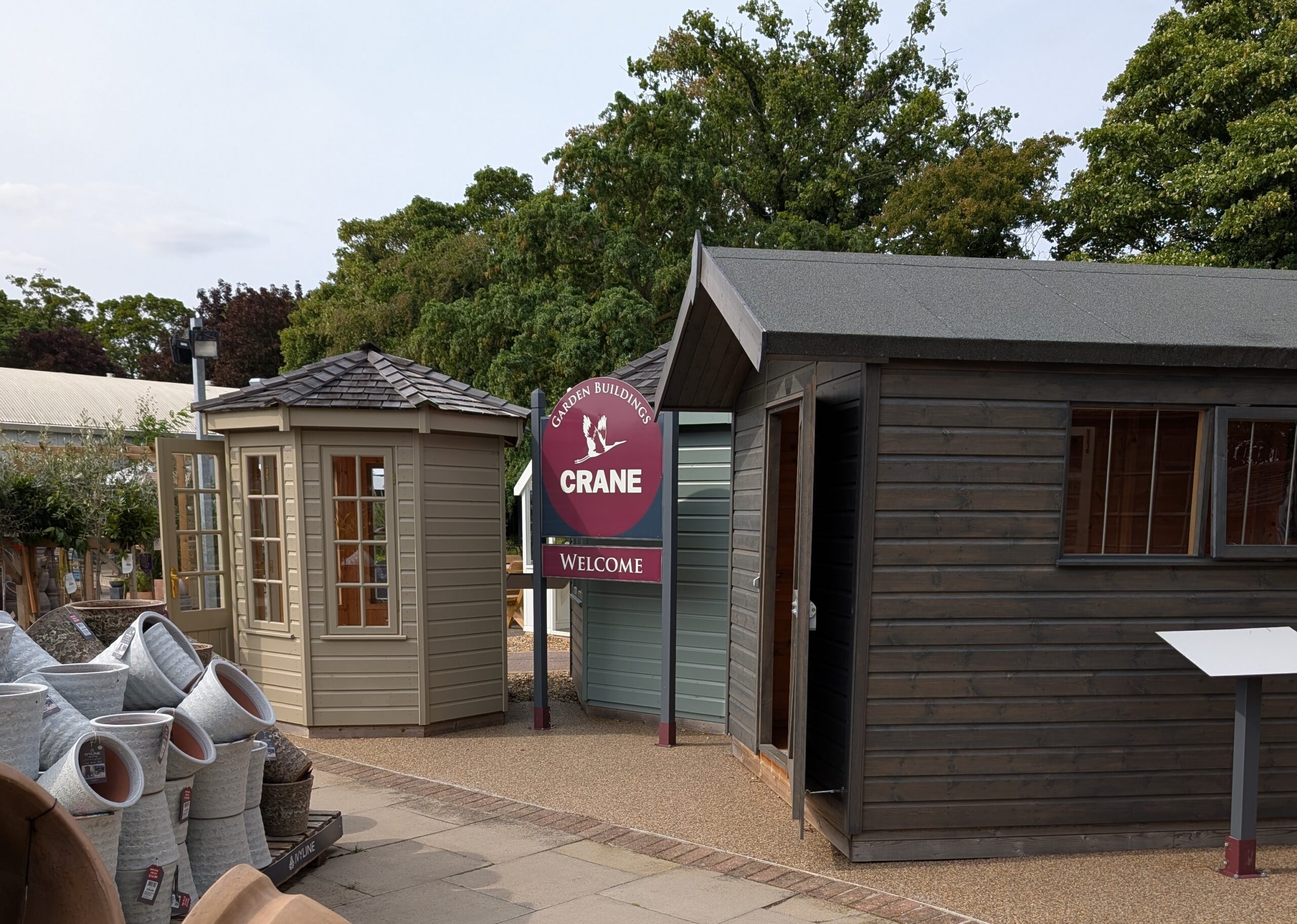
This included visiting showrooms with the Head of Sales, reviewing the factory and production process, speaking regularly with sales and customer service, analysing seven years of sales and product data, and assessing how customers moved between online research and showroom conversion.
I also reviewed competitor activity across brochures, email, websites and paid media, and ran a customer survey with customers who had purchased within the previous five years.
Two things became clear:
1. Future growth would not come from simply chasing more leads
2. Marketing decisions needed to be based on clearer evidence of what was working, where customers were dropping out and which activity was contributing to revenue.
What I delivered
I led a six-month measurement transformation project to modernise marketing tracking and reporting, including improved GA4, Google Tag Manager, Consent Mode, call tracking, offline conversion tracking and price configurator tracking.
I improved paid media accountability by bringing in specialist support, rebuilding conversion visibility and testing Performance Max using historic customer data. This helped reduce Google Ads cost per lead from over £130 to around £50–60, with some product areas performing below that.
I reintroduced Meta advertising with a clearer funnel structure and coached a junior team member on audience creation, campaign setup and content planning across top, middle and bottom-of-funnel activity.
I introduced a more structured campaign model, including a summerhouse promotion, January Sale activity and a 12-month marketing roadmap across campaigns, channels and media spend. The January Sale activity contributed to a 5% uplift in quote pipeline over the following three months.
I also reviewed the website, SEO and UX journey, including recommendations for the price configurator, homepage, category pages, redirects, low-value content and future landing page opportunities.
Internally, I introduced clearer processes across the marketing function, including weekly stand-ups, task tracking, campaign planning, briefing templates, performance check-ins, brand guidance and sprint planning with the web development agency.
Business results
Creating stronger ecommerce foundations during a major transformation period
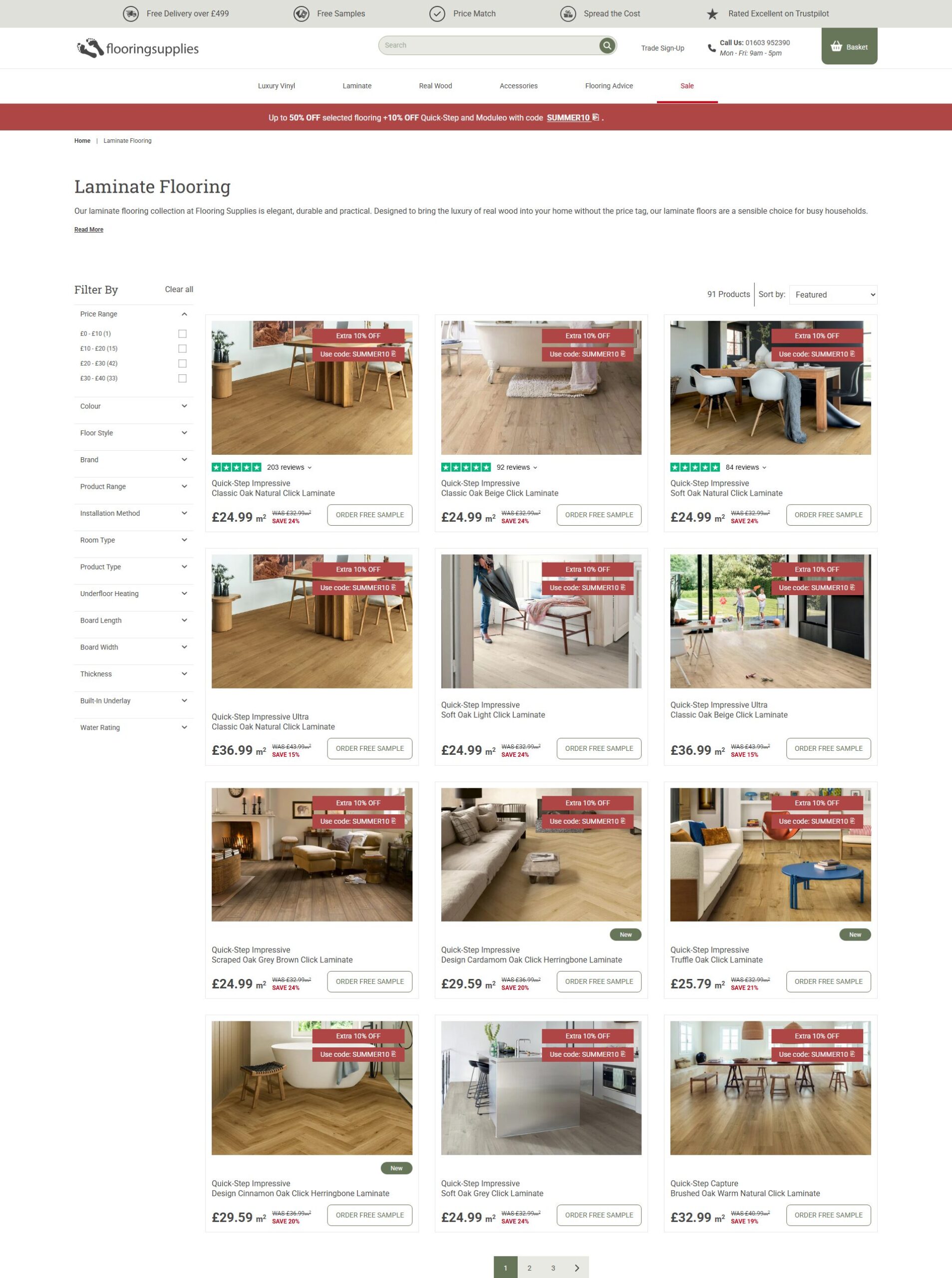
Keswick Flooring - UK Flooring Direct | Flooring Supplies
Summary: Supported a growing ecommerce business through a period of significant digital and operational change, including Shopify Plus migration planning, product data improvements, agency selection and ecommerce team development.
Focus areas: ecommerce transformation, Shopify Plus migration planning, technical SEO, product information management, customer journey improvements, reporting and team development.
Results included: 5x revenue growth on one website within six months through customer journey and UX improvements, a clearer migration roadmap, stronger technical SEO preparation and improved ways of working across ecommerce, marketing, IT and external agencies.
Situation
Keswick Flooring was operating across a group of flooring ecommerce brands during a period of rapid change. The business was preparing for a Shopify Plus migration while also reviewing wider ecommerce operations, product information management, inventory processes, customer journeys and marketing technology.
The challenge was not simply moving websites onto a new platform. The business was trying to modernise several connected parts of its ecommerce operation at the same time, while continuing to trade, support customers and make decisions across multiple brands.
I joined as Ecommerce Manager to support ecommerce growth, improve digital performance and help create stronger foundations for future scale.
What I found
The business had strong ecommerce opportunity, but several areas needed clearer structure and ownership.
There were legacy technical SEO risks to understand before migration, alongside product data, merchandising and inventory processes that needed to become more scalable.
At the same time, IT resource was stretched, agencies needed clearer direction and ecommerce projects needed stronger prioritisation.
The business needed someone who could connect commercial priorities, customer experience, ecommerce operations and technical requirements.
My approach
I focused on creating structure around a complex period of ecommerce change.
This included supporting Shopify Plus migration planning, helping assess technical SEO risk, feeding into agency selection and creating clearer project priorities across ecommerce, marketing, IT and external partners.
I also recruited and built a small ecommerce team, giving the business more dedicated capability across SEO, UX and ecommerce delivery.
To improve ways of working, I took ownership of sprint planning and introduced a more structured approach to prioritising ecommerce activity, making it clearer what needed to happen, who owned each task and how the work connected to wider business priorities.
What I delivered
I led planning for a Shopify Plus migration across the ecommerce estate, working with internal stakeholders and external partners to prepare for a more scalable platform setup.
I supported the selection of technical SEO expertise to reduce migration risk and give the business specialist input around redirects, site structure, crawlability and organic performance.
I reviewed and improved customer journeys, including product detail pages and checkout flows. On one site, these improvements contributed to 5x revenue growth within six months.
I helped assess ecommerce and marketing technology options, including CRM, personalisation and customer support/review tools, supporting better decision-making around future systems.
I also supported the introduction of Plytix as a product information management tool, helping the business improve how product data could be managed and used across ecommerce.
Alongside this, I provided ecommerce data and reporting for the weekly marketing pack, helping the wider business understand performance and make better decisions.
Business results
The value was not just in managing a platform migration. It was in helping the business understand what needed to change around the migration so that ecommerce could become more scalable, measurable and commercially effective.
Making complex customer journeys easier to navigate for a national home improvement brand
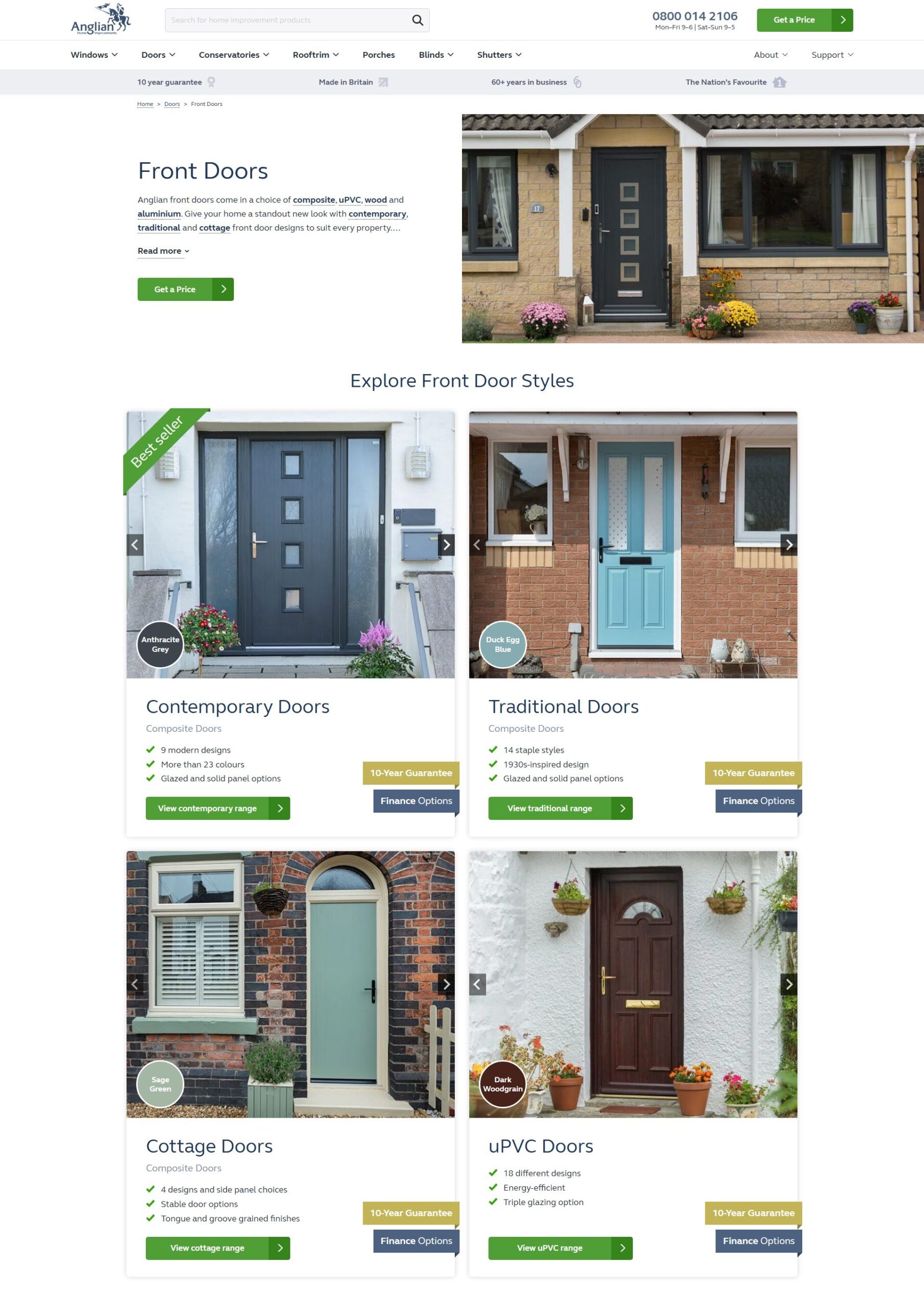
ASHI Group - Anglian Home Improvements | Safestyle | Everest
Summary: Developed and delivered a two-year SEO/CRO strategy for a national home improvement website, focused on improving high-value product journeys across search, content, UX and conversion.
Focus areas: SEO strategy, CRO, UX, customer testing, content, accessibility, compliance, A/B testing and stakeholder management.
Results included: £8m+ measurable revenue impact through A/B test initiatives, organic revenue growth of more than 80%, doubled organic conversions and a phased redesign approach that continued to be rolled out across further product areas.
Situation
Anglian Home Improvements is a national home improvement brand operating in a high-consideration lead generation market. Customers often take time to research, compare options and build confidence before making an enquiry, so the website needed to support trust, clarity and conversion.
I worked across SEO, CRO and UX optimisation, helping improve digital performance over several years through a gradual, evidence-led approach to website improvement.
As part of this, I developed a two-year SEO/CRO strategy focused on the product categories with the strongest growth opportunities through search visibility and conversion improvement. The initial focus was windows and doors, which were high-value, high-volume categories with clear commercial potential.
What I found
The website had strong brand recognition and organic visibility, but customer journeys were not always clear, consistent or easy to use.
The audience included a significant older demographic, which made readability, accessibility, reassurance and page structure especially important. Customers needed to understand product options, finance information, promotions and next steps without unnecessary complexity.
There were also strategic challenges around SEO and CRO. Activity had become too broad, customer journeys lacked consistency and the business needed a clearer focus on the product areas most likely to improve enquiries, conversion and revenue.
My approach
I created a two-year SEO/CRO plan that focused effort around the product categories with the strongest commercial opportunity.
The strategy centred on improving the windows and doors journeys through three connected priorities: developing new pathways to conversion, improving organic search position and making enquiry forms easier to use.
I combined SEO data, analytics, A/B testing, customer insight and moderated user testing to understand where customers were getting stuck and where improvements were most likely to make a measurable difference.
I also worked closely with UX, development, brand and communications stakeholders to make sure improvements were commercially effective, technically deliverable and aligned with brand, accessibility and compliance requirements.
What I delivered
I oversaw a phased redesign and optimisation programme across key windows and doors journeys, working with the Head of Digital, UX resource and the lead web developer to move improvements from insight and wireframe into live website changes.
I rewrote and restructured content across key windows pages to better support SEO performance, customer understanding and conversion.
I worked with a UX designer and external user experience agency to run formal moderated user testing. Customers were recorded using the website on desktop and mobile while completing the windows journey, with additional questions around buying habits and how they searched on Google.
I supported A/B testing activity and quarterly performance reviews, where successful tests were assessed against expected revenue impact. One live chat A/B test generated more than £2m of measurable revenue impact once implemented.
I also acted as the bridge between marketing and development, translating commercial, customer and SEO priorities into practical website improvements that could be understood and delivered by the development team.
Business results
The business results are a product of understanding the customer, improving the journey in manageable stages and balancing commercial performance with brand, accessibility and compliance. Good digital performance rarely comes from one big change.